How the LeStallion Writing Notebook Can Transform Your Daily Productivity
For years, I chased the perfect productivity system. I tried digital apps, bullet journals, and plain notebooks. Each one worked for a while, then fizzled out. The problem was never the method itself. It was the lack of a tool that truly invited me to write, to plan, and to reflect. That is what I found in the LeStallion writing notebook, and it changed how I approach my work every day.
I remember the first time I opened one. The paper had a texture that made my pen glide without bleeding through. The layout was not cluttered with pre-printed dates or rigid boxes. It felt like a blank canvas, but one that gently guided me toward order. That balance between freedom and structure is rare. Most notebooks either lock you into a system or give you nothing but lines. The LeStallion writing notebook sits in the sweet spot, and that is why it works.
What Makes a Notebook Actually Inspire Productivity?
Productivity is not about cramming more tasks into a day. It is about clarity, focus, and momentum. A good notebook acts like a second brain. It offloads the noise so you can see what matters. But most notebooks treat writing as a chore. They use thin paper that ghosts, cheap covers that fall apart, and layouts that work against natural thought flow.
The LeStallion writing notebook avoids these pitfalls. Its paper is thick enough for fountain pens, which is a test many notebooks fail. The pages lie flat when opened. The cover is flexible but sturdy, surviving daily commutes and coffee shop tables. These details matter because they remove friction. When you do not have to fight your tools, your mind stays free to think.
I have tried dozens of journals over the years. Moleskines bleed. Leuchtturms ghost. Field Notes are too small for serious planning. The LeStallion notebook hits the Goldilocks zone. It is large enough for daily logs and project notes, but slim enough to carry everywhere. The dot grid is a personal favorite. It gives structure without dominating the page, making it easy to draw tables, mind maps, or just write in straight lines.
Practical Ways to Use a Writing Notebook for Productivity
After using the LeStallion writing notebook for several months, I settled into a rhythm that boosted my output without increasing stress. Here are the three methods that worked best for me.
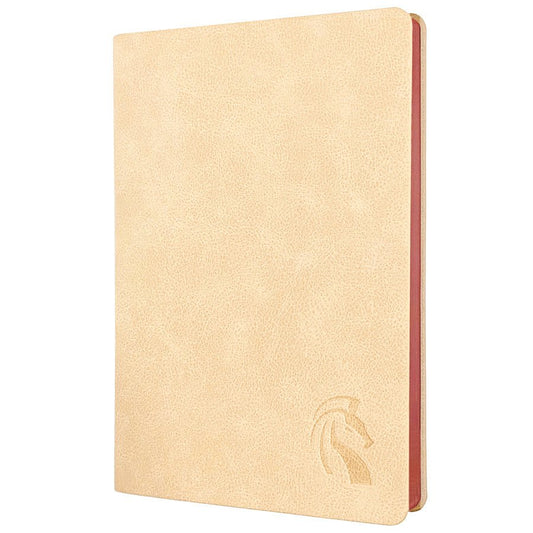
Morning pages for clarity. Every morning, I write three pages of stream-of-consciousness thoughts. This is not about planning. It is about clearing mental clutter. The LeStallion notebook handles this volume well because the paper does not bleed or feather. The simple act of filling pages with whatever comes to mind helps me spot worries, ideas, and priorities before they get buried.
Weekly planning with a simple spread. On Sunday evening, I open to a fresh spread. On the left page, I list the week's top three goals. On the right page, I sketch a rough schedule. The dot grid makes it easy to draw time blocks. I do not use any fancy symbols or color coding. Just black ink and a few highlights. This takes fifteen minutes and saves me hours of decision fatigue during the week.
Project notes that evolve. When a new project starts, I dedicate a few pages to it. I write down the desired outcome, the first three steps, and any open questions. As the project progresses, I add notes, sketches, and meeting summaries. The notebook stays coherent because I can flip back and see the full arc. That continuity is impossible in a digital tool where notes get scattered across folders and apps.
Why Paper Still Beats Digital for Deep Work
I am not anti-digital. I use task managers and calendars like everyone else. But for thinking, planning, and reflecting, paper has a distinct advantage. Writing by hand engages the brain differently. It slows you down, forces you to summarize, and makes ideas stick. The LeStallion writing notebook amplifies this effect because its quality invites you to write more. Cheap notebooks discourage writing. A good one encourages it.
There is also the matter of distraction. A digital device is a portal to the internet. A notebook is a portal to your own mind. When I open the LeStallion notebook, I am not tempted to check email or scroll social media. That single difference is worth the price of admission. It turns writing into a focused act, not a background task.
How to Choose the Right Notebook for Your Workflow
Not everyone needs the same notebook. But if you value paper quality, thoughtful design, and durability, the LeStallion writing notebook is a strong contender. Here are a few things to consider when picking a productivity journal.
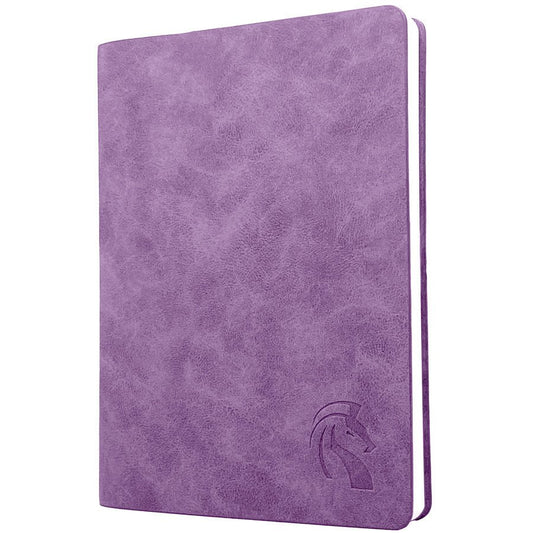
- Paper weight and finish. Heavier paper (at least 100 gsm) resists bleeding and ghosting. A smooth but not glossy finish works well with most pens. The LeStallion uses a paper that handles both gel and fountain pens beautifully.
- Binding and lay-flat. A notebook that does not stay open is frustrating. Look for lay-flat binding. The LeStallion notebook opens completely flat, which makes writing near the spine easy and comfortable.
- Page layout. Dot grid is the most versatile. It works for writing, drawing, tables, and bullet journaling. The LeStallion uses a 5mm dot grid that is subtle enough to fade into the background when needed.
- Cover material. A soft yet durable cover protects the pages without adding weight. The LeStallion cover bends without creasing and resists wear from daily use.
These features are not just nice-to-haves. They are the difference between a notebook that collects dust and one that becomes a daily companion. Productivity tools must earn their place in your bag. The LeStallion writing notebook earns it through craftsmanship and thoughtful design.
Real Results: What Changed After Switching
After three months of consistent use, I noticed several shifts in my work habits. My task list shrank because I stopped adding items I would never do. My meeting notes became more actionable because I wrote down decisions, not just words. My weekly reviews became faster because I could flip through pages and see the big picture. The notebook did not do the work for me, but it made doing the work easier.
One concrete example: I used to spend an hour each Monday morning figuring out what I needed to do. Now I spend fifteen minutes. The time saved adds up. By the end of a month, I have gained several hours of focused work time. That is the kind of return on investment that matters. A notebook is a small expense, but the productivity gains compound over time.
I also found that writing by hand improved my memory. When I write a task down, I remember it without looking at the page. Digital notes vanish into the void. Handwritten notes linger in the mind. The LeStallion notebook, with its pleasant writing surface, made me want to write more. And the more I wrote, the more I retained.
Common Mistakes When Using a Productivity Notebook
Even with a great tool, it is easy to fall into traps. Here are three mistakes I made and how to avoid them.
- Over-planning. I used to fill pages with elaborate layouts that took more time than they saved. The solution is to keep it simple. A list, a sketch, and a few notes are enough. The LeStallion notebook works best when you treat it as a tool, not an art project.
- Neglecting review. Writing things down is only half the process. You need to review your notes regularly. I set aside ten minutes each evening to scan the day's pages and transfer any lingering tasks to the next day. This habit keeps the system alive.
- Using too many notebooks. I used to have separate notebooks for work, personal, and projects. That created fragmentation. Now I use one LeStallion notebook for everything, with a simple index at the front. It simplifies my workflow and ensures I never miss a note.
These mistakes are common, but they are easy to fix once you recognize them. The notebook itself is not the problem. It is how you use it. The LeStallion writing notebook provides a reliable foundation. The rest is up to you.
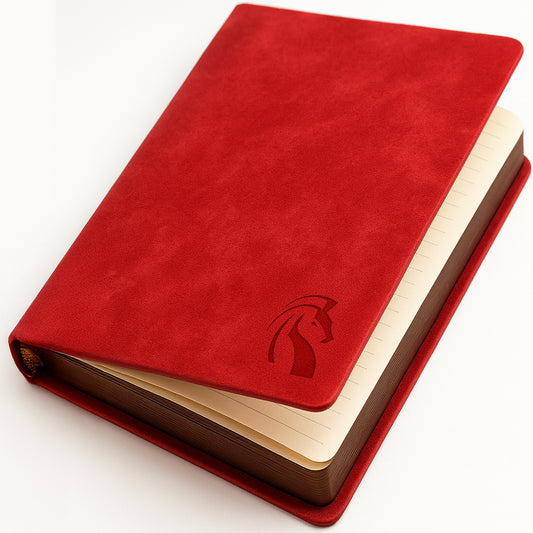
Final Thoughts on the LeStallion Writing Notebook
I have been using the LeStallion writing notebook for long enough to know it is not a passing phase. It is a tool that fits my workflow and encourages better habits. The paper, the binding, the layout, they all come together to create something that feels designed for thinking, not just for writing. If you are tired of notebooks that look good but fail in practice, this one is worth a try.
Productivity is personal. What works for me might not work for everyone. But if you value a tool that removes friction, supports deep work, and lasts through daily use, the LeStallion writing notebook is a solid choice. It has earned a permanent spot in my bag, and I suspect it will in yours too.